
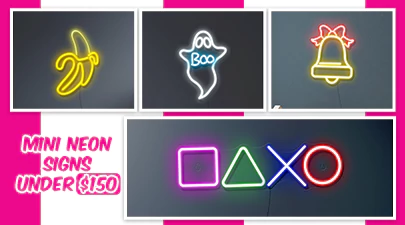
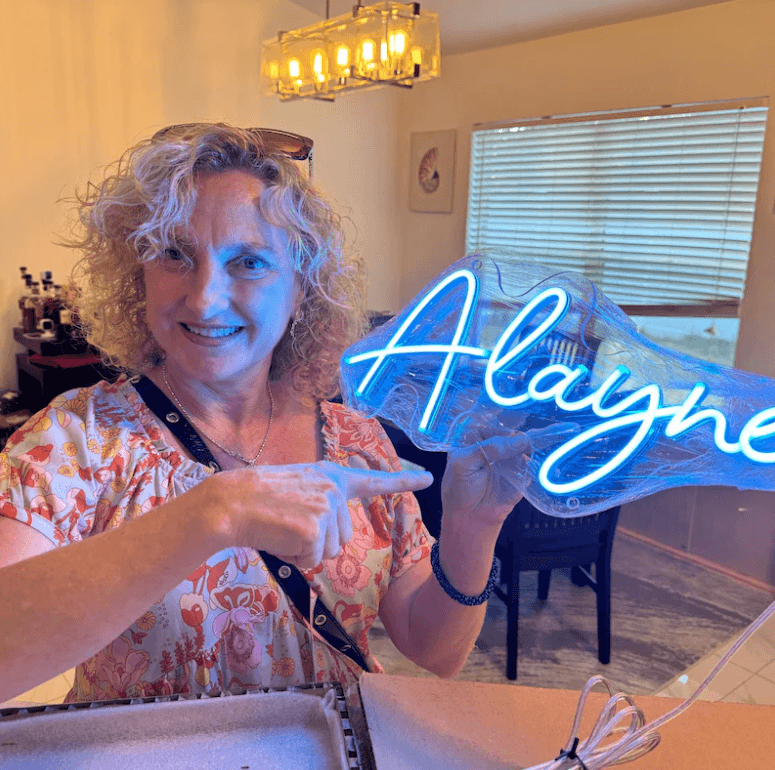
If you are searching “can neon signs catch on fire?”, you are likely trying to understand whether neon lighting is safe for your home, business, or workspace.
This is a very common concern, but most of the confusion comes from outdated information about traditional glass neon lighting, not modern LED neon signs.
Here is the clear answer:
LED neon signs are extremely safe and are not considered a fire hazard when properly used.
At Createneon, all our products are LED-based, meaning they use low voltage technology and flexible silicone tubing instead of gas-filled glass tubes.
What Are LED Neon Signs?
LED neon signs are a modern replacement for traditional neon lighting.
Instead of fragile glass tubes filled with gas, they use:
- Flexible LED strip technology
- Silicone or PVC outer casing
- Low voltage power adapters
This makes them safer, more durable, and more energy efficient than older neon systems.
Unlike traditional neon, LED neon does not involve high-voltage glass tubes or gas pressure systems, which significantly reduces safety risks.
So, Can Neon Signs Catch Fire?
The simple answer:
LED neon signs do not catch fire under normal use.
They operate on low voltage electricity (commonly 12V or 24V), which keeps heat generation very low.
However, like any electrical product, risk can exist in rare cases when something goes wrong externally.
Fire risk is only possible when there is:
- A faulty power adapter
- Damaged wiring or connectors
- Incorrect installation
- Physical damage to the sign
These are general electrical risks and not unique to LED neon signs.
Why LED Neon Signs Are Considered Safe
Low Heat Output
LED technology is highly efficient and produces minimal heat, even after long operating hours. This means the sign remains cool or only slightly warm, with no ignition-level temperature buildup.
Low Voltage System
Most LED neon signs operate on 12V or 24V power supplies, which reduces electrical stress and lowers the risk of overheating or electrical failure.
Flexible Silicone Construction
Instead of glass, LED neon signs use soft silicone tubing that is:
- Shatterproof
- Flexible
- Safe for indoor environments
Energy Efficient Operation
Lower energy consumption means less strain on electrical components and more stable long-term performance.
This is also why LED neon signs are generally more efficient than traditional lighting, as explained in our breakdown of how much electricity neon signs use.
What Actually Causes Fire Risk?
Even though LED neon signs are safe, problems can occur due to improper usage or poor-quality accessories.
Faulty Power Supply
A low-quality or incorrect adapter can cause voltage instability, which may lead to overheating or device failure.
Poor Installation Practices
Incorrect setup such as loose wiring, damaged connectors, or overloaded extension cords can increase electrical risk.
Covering or Blocking the Sign
Covering a neon sign with fabric, foam, or decorative materials can trap heat around electrical components and should always be avoided.
Physical Damage
If the internal LED strip or wiring is damaged, it can lead to short circuits or flickering issues.
Do LED Neon Signs Overheat?
Under normal conditions, LED neon signs do not overheat.
Overheating only becomes possible when:
- The power supply is defective
- Airflow is blocked completely
- The sign is exposed to extreme external heat
Signs of potential issues include flickering, unstable brightness, or unusual warmth from the adapter.
Indoor vs Outdoor Safety
LED neon signs are commonly used in both indoor and outdoor environments, but safety depends on proper product selection.
For indoor use, they are safe in bedrooms, offices, cafés, and retail stores when properly mounted and not covered.
For outdoor use, waterproof-rated designs should be used, with sealed wiring and protected power adapters to handle environmental exposure.
We explain this in more detail in our guide on whether neon signs are waterproof.
Internal Safety Misconceptions (Cleared)
Most safety fears come from mixing up LED neon signs with older glass neon technology.
LED Neon Does NOT Use Gas
LED neon signs do not contain gas, do not use glass tubes, and cannot leak or explode.
LED Neon Does NOT Overheat Easily
Due to low voltage and efficient design, LED neon stays cool during normal operation.
LED Neon Is Not Inherently Unsafe
Modern LED neon signs are designed specifically for commercial and home use, making them safe for everyday environments.
LED Neon Is Built for Long-Term Use
High-quality LED neon signs are designed to last for years without becoming a safety risk when used correctly, which we explain further in how long neon signs last.
How to Use LED Neon Signs Safely
To ensure maximum safety, follow these simple guidelines:
- Always use the original power adapter
- Avoid bending or twisting the sign sharply
- Never cover the sign with materials
- Keep away from water unless rated waterproof
- Do not overload power sockets
- Inspect wiring occasionally for damage
Are LED Neon Signs Safer Than Traditional Neon?
Yes. LED neon signs are significantly safer than traditional glass neon due to lower voltage, no gas content, and flexible materials.
| Feature | Glass Neon | LED Neon |
|---|---|---|
| Heat | Medium | Low |
| Voltage | High | Low |
| Material | Fragile glass | Flexible silicone |
| Fire Risk | Low | Extremely low |
| Maintenance | High | Low |
Final Answer: Can Neon Signs Catch on Fire?
LED neon signs are not a fire hazard when properly manufactured and correctly used.
Fire risks only exist in rare cases involving faulty power supplies, damaged components, or misuse.
When you use a high-quality LED neon sign and follow basic safety practices, the risk becomes extremely low.
Conclusion
LED neon signs are one of the safest lighting solutions available today.
They are:
- Low voltage
- Low heat
- Energy efficient
- Durable and flexible
At Createneon, our LED neon signs are built to combine safety with visual impact, making them suitable for homes, businesses, and creative installations.